
Licensed to Remove It
Mold Remediation
Containment. Removal. Correction.
This Is the Part That Actually Fixes It
Mold remediation is the step where the problem is physically removed from the structure. Not tested. Not photographed. Removed. In Texas, there is a difference between the company that writes reports and the company that performs the work. We are licensed as a Mold Remediation Company, which means we are authorized to contain the area, remove contaminated materials, and clean what can be saved. When mold gets into drywall, insulation, framing, or HVAC components, wiping it down is not enough. The affected material has to be isolated, cut out when necessary, and the surrounding structure cleaned properly. Just as important, the moisture that allowed it to grow has to be corrected. If that part is ignored, it comes back. We perform residential mold remediation across Houston with licensed technicians who explain what we see, what has to go, what can stay, and why.
Get A Quote today!
What It
Looks Like
When Mold Remediation Is Required
If mold is growing on porous material, remediation is usually required. That includes drywall, insulation, ceiling cavities, wall studs, and areas affected by past leaks. If the area smells musty and stays damp, there is usually more happening than what is visible on the surface. Small surface issues sometimes can be handled simply. But once mold gets into building materials, the only responsible fix is controlled removal. Leaving contaminated material in place just spreads the problem over time. The scope depends on how far it has spread and whether Texas regulations require a written protocol from an assessment consultant.
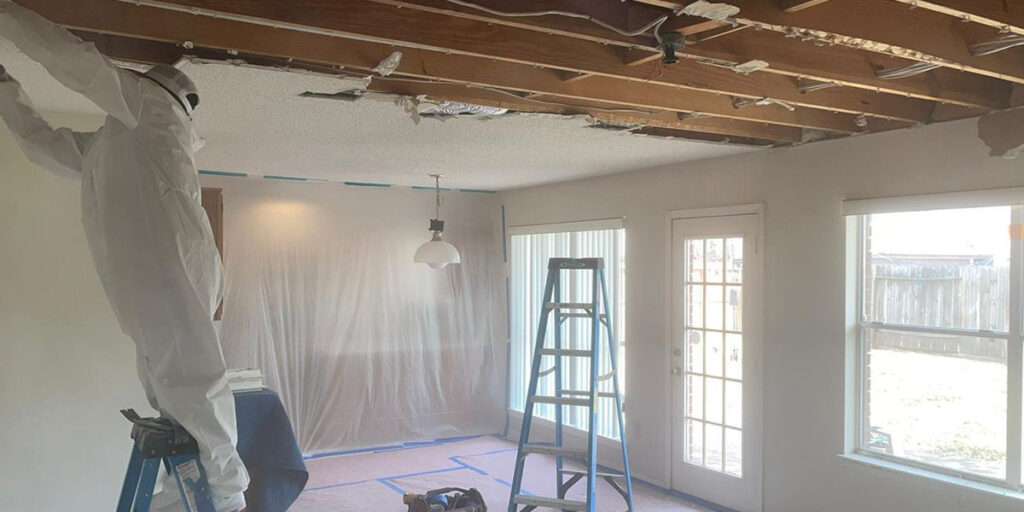
Licensed Mold Remediation
We contain the area, remove contaminated materials, and clean structural surfaces in a controlled way that prevents spread.
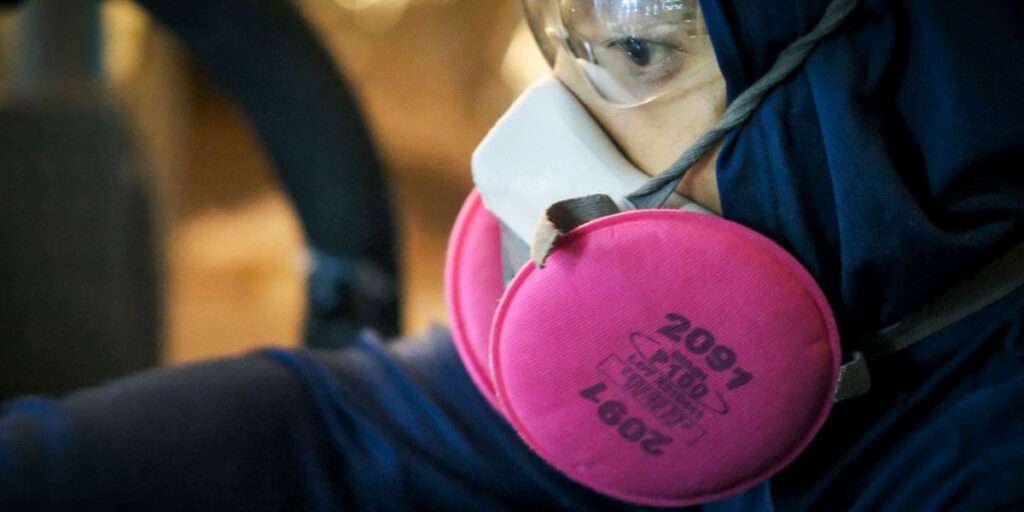
Containment Setup
Before anything is removed, the area is sealed off. That keeps spores from traveling to unaffected parts of the home.
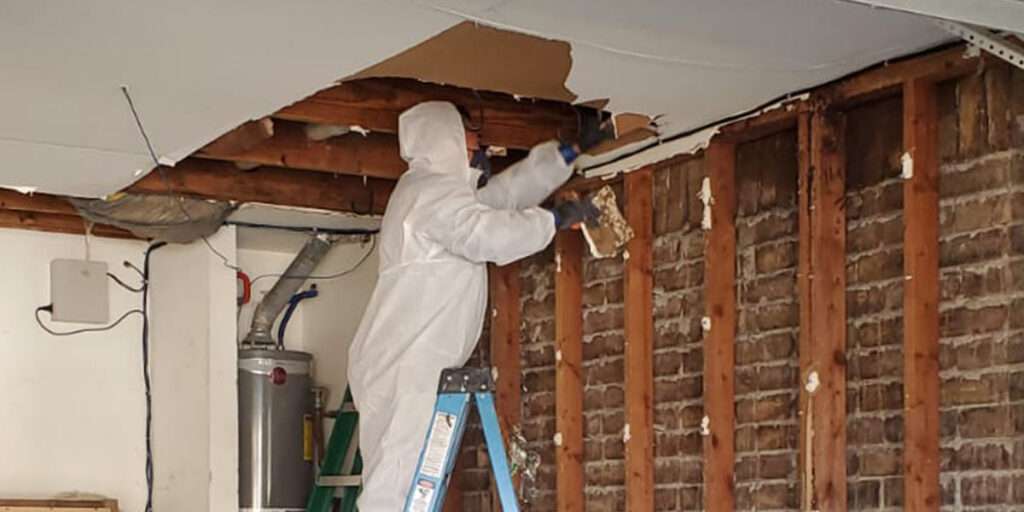
Material Removal
Drywall, insulation, or other porous materials that cannot be cleaned are cut out and disposed of properly.
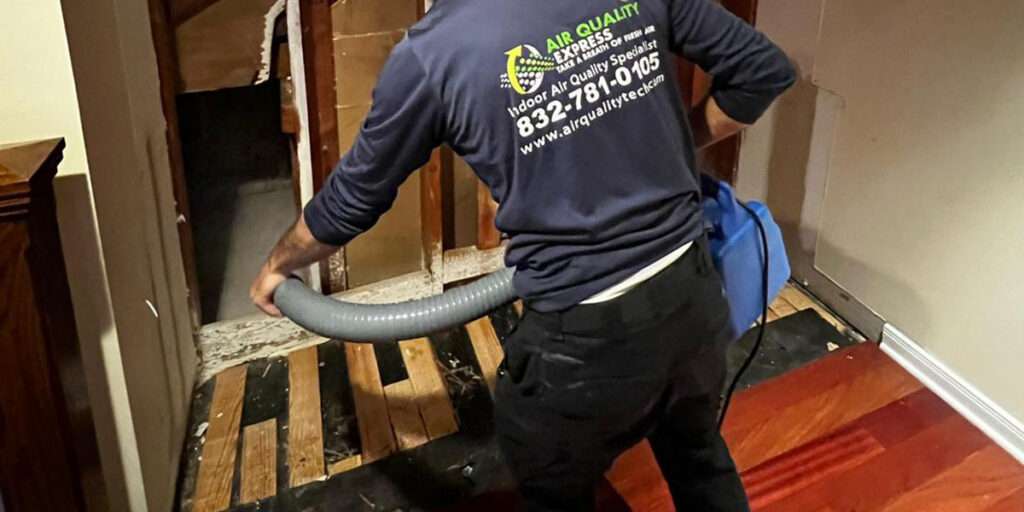
Sanitizing and Cleaning
Use high-powered HEPA vacuums and approved antimicrobial treatments to remove residual contamination and stabilize affected surfaces.
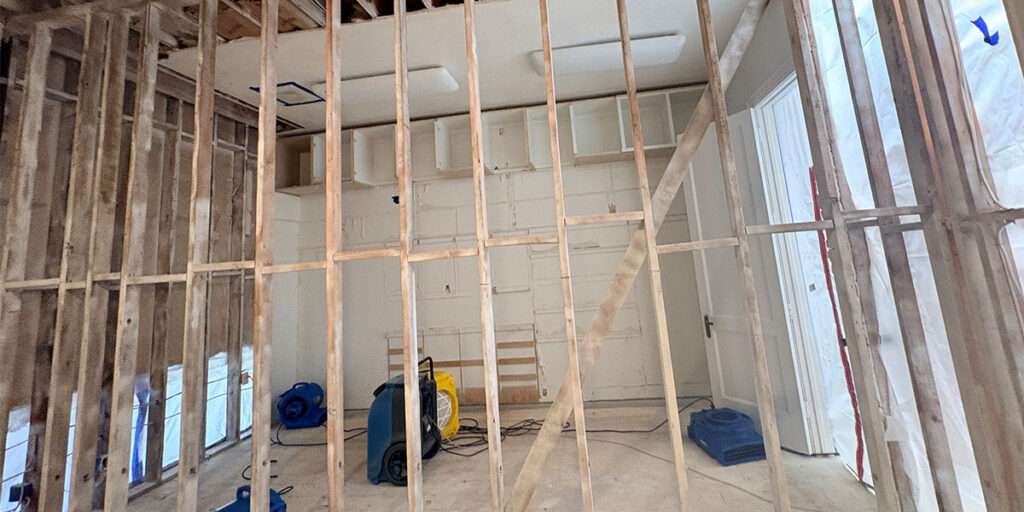
Equipment Setup
Air scrubbers and dehumidifiers are installed to remove airborne spores and reduce moisture within building materials during the remediation process.
Quick Answers
Frequently Asked Questions About Mold Remediation
Do I need mold testing before remediation?
Not always. In Texas, larger or regulated jobs require a licensed Mold Assessment Consultant to write a protocol. Smaller, straightforward situations often do not. We can explain which category your situation falls into.
What does remediation actually involve?
Isolation of the area, removal of contaminated material, cleaning of structural surfaces, and correction of the moisture source.
Will the mold come back?
If contaminated material is removed and moisture is controlled, recurrence is significantly reduced. If moisture remains, mold will return regardless of how much cleaning was done.
Are you licensed to do this work?
Yes. We are licensed as a Mold Remediation Company under Texas regulations and perform the containment and removal work ourselves.
Licensed Mold Remediation
This is the step that removes mold from the structure.
- Containment of the affected area
- Removal of contaminated building materials
- Cleaning of exposed framing and surfaces
Project Coordination
Some jobs require a written protocol and clearance testing.
- Coordination with licensed assessment consultants
- Work performed according to Texas requirements
- Documentation when required
Structural Cleaning
Not everything needs to be torn out. What can be cleaned safely is cleaned correctly.
- HEPA filtration
- Controlled surface cleaning
- Focus on stopping spread
Sanitizing and Cleaning
Removes residual contamination and stabilizes affected surfaces after material removal.
- Uses high-powered HEPA vacuums
- Applies approved antimicrobial treatments
- Targets remaining surface-level contamination
Equipment Setup
Supports containment and moisture control during remediation.
- Installs air scrubbers to capture airborne spores
- Deploys dehumidifiers to reduce moisture in materials
- Maintains controlled drying conditions throughout the process